Understanding the “Three Hole Service” on Harley-Davidson Motorcycles
If you’ve spent any time around Harley riders or service counters, you’ve probably heard the phrase “three hole service.” It’s one of those insider terms that sounds vague—but it’s actually one of the most important maintenance procedures for keeping a Harley running strong.
Let’s break it down in plain terms—and why it matters for performance, longevity, and resale value.
What Is a “Three Hole Service”?
On most Harley-Davidson Big Twin motorcycles, a three hole service refers to servicing three completely separate oil systems:
- Engine oil
- Primary chaincase fluid
- Transmission fluid
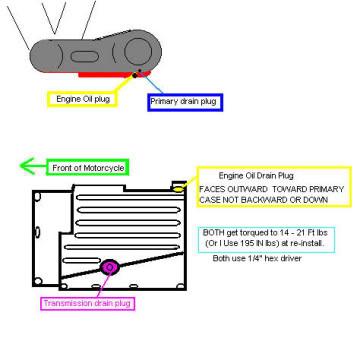
Unlike many metric motorcycles that share oil between components, Harley-Davidson designs these as independent systems, each with its own drain plug (“hole”), fill port, and fluid requirements.
Visual Breakdown of the Three Systems


Each of these systems plays a completely different role:
1. Engine Oil
This is the lifeblood of your motor:
- Lubricates internal engine components
- Reduces heat and friction
- Suspends contaminants for filtration
Neglecting engine oil leads to accelerated wear and potential engine failure.
2. Primary Chaincase Fluid
This fluid services:
- The primary drive chain
- The clutch assembly
It’s critical for:
- Smooth clutch engagement
- Proper chain lubrication
- Heat dissipation in the primary
Dirty or degraded fluid here can cause clutch slippage, hard shifting, or premature wear.
3. Transmission Fluid
The transmission fluid is responsible for:
- Lubricating gears and bearings
- Ensuring clean, precise shifting
When neglected, you’ll notice:
- Clunky shifts
- Increased gear wear
- Potential long-term drivetrain damage
What’s Included in a Proper 3-Hole Service?
A professional three hole service typically includes:
- Draining and replacing engine oil
- Installing a new oil filter
- Draining and refilling primary fluid
- Draining and refilling transmission fluid
- Inspecting:
- Magnetic drain plugs for metal debris
- Seals and gaskets for leaks
- Overall system condition
It’s not just an oil change—it’s a full drivetrain fluid service.
Why Harley Uses Three Separate Systems
This design isn’t accidental. It allows:
- Optimized lubrication for each component
- Better heat management
- More consistent clutch and transmission performance
Each system uses different fluid types and viscosities, tailored to its specific job.
Service Intervals: How Often Should You Do It?
A common guideline:
- Every 5,000 miles
However, you may want shorter intervals if:
- You ride aggressively
- You tow or carry heavy loads
- You operate in extreme heat or dusty environments
Regular service is cheap insurance compared to major drivetrain repairs.
Signs You’re Due for a 3-Hole Service
Watch for these indicators:
- Hard or noisy shifting
- Clutch feels inconsistent
- Engine running hotter than normal
- Dark, dirty, or burnt-smelling fluids
- Unknown service history
If you’re seeing any of these, it’s time.
Why This Service Matters for Resale Value
Buyers of Harley-Davidson motorcycles care about maintenance history. Being able to show consistent three hole services:
- Builds buyer confidence
- Increases resale value
- Helps justify premium pricing
It signals that the bike was properly maintained—not just ridden.
Final Takeaway
The three hole service is one of the most essential maintenance procedures for any Harley-Davidson. Because the engine, primary, and transmission all operate independently, each system must be serviced individually to keep the bike performing at its best.
Ignore it, and you risk expensive repairs. Stay on top of it, and your Harley will deliver reliable power, smooth shifting, and long-term durability.
If you’re running a service department, this is a high-frequency, high-margin maintenance package—and one every Harley owner should understand and schedule regularly.


Leave a Reply